

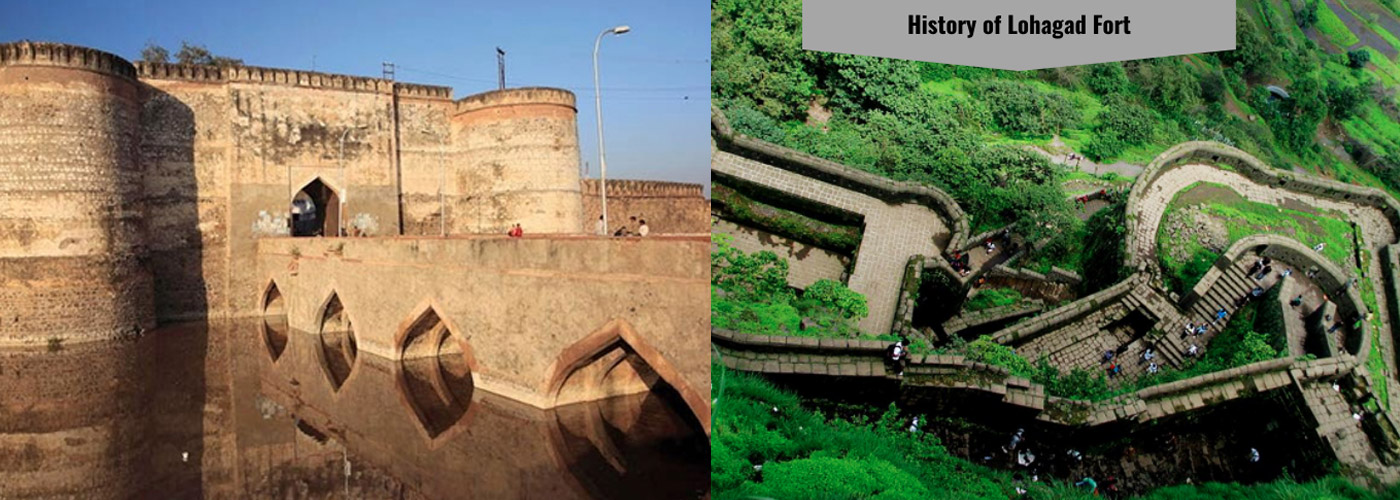
Lohagarh Fort, located in Bharatpur, Rajasthan, India, is a formidable and historic structure that stands as a testament to the military prowess and architectural brilliance of its builders. The name “Lohagarh” translates to “Iron Fort” in English, signifying the impregnability and strength of this architectural marvel.
Constructed in the early 18th century, Lohagarh Fort was commissioned by the founder of Bharatpur, Maharaja Suraj Mal. Unlike many other forts of its time, Lohagarh was not built for ostentatious displays of grandeur, but rather for practicality and defensive purposes. The fort was ingeniously designed to withstand even the most powerful of artillery assaults, earning its reputation as one of the most impenetrable forts in Indian history.
The fort is surrounded by deep moats and massive walls made of solid iron, a rarity in fort construction during its era. Its strategic design, with well-placed bastions and ramparts, offered a formidable defense against any potential invaders. Even repeated attempts by the British to capture the fort during the 18th century were unsuccessful, solidifying its reputation as an impregnable fortress.
Within the fort’s complex, one can find several noteworthy structures, including the Kishori Mahal, Mahal Khas, and Moti Mahal, each reflecting the architectural finesse of the time. The Kamra Palace, adorned with beautiful frescoes and intricate lattice work, provides a glimpse into the artistic and cultural richness of the period.
Today, Lohagarh Fort stands as a living testament to the indomitable spirit of the people of Bharatpur. It has been well-preserved and attracts history enthusiasts, architecture aficionados, and tourists from all over the world. The fort offers a fascinating window into India’s rich past and serves as a symbol of the resolute defense put up by the people of Bharatpur against foreign invasions.
Visiting Lohagarh Fort is not just a journey into history, but also an opportunity to marvel at the engineering genius and strategic acumen of its creators. It remains an important cultural heritage site and a must-visit destination for anyone interested in the rich history and architecture of Rajasthan, India.