

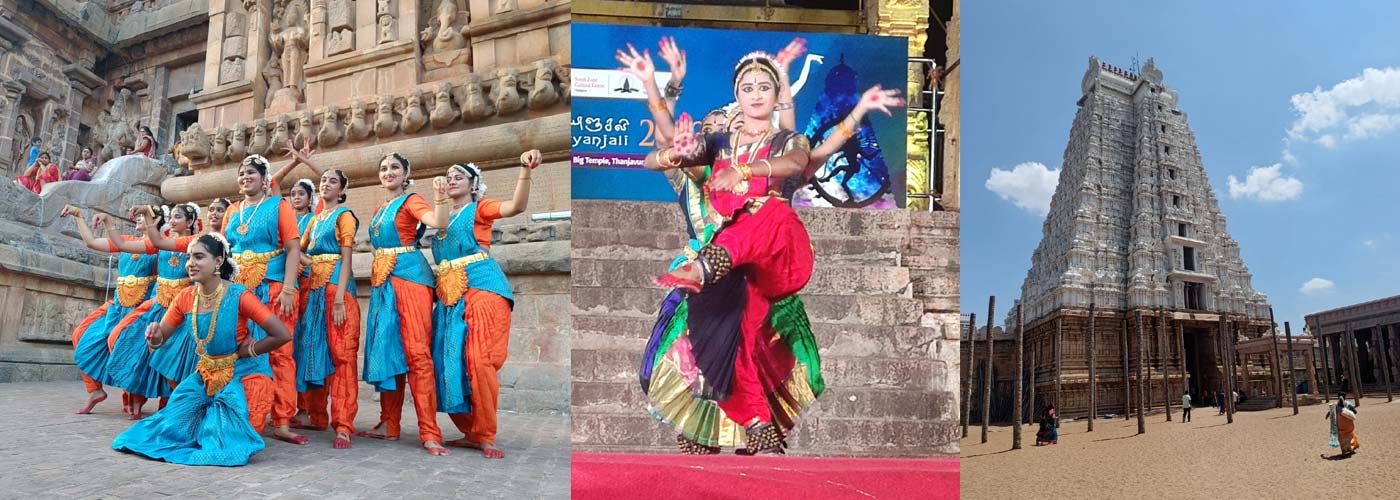
Kerala in South India is home to the classical dance style known as Mohiniyattam (Mohiniattam). The legendary Tamil dance master Vadivelu, one of the Thanjavur quartets, is strongly associated with the creation and popularity of this dance style. Mohiniyattam, one of the eight Indian classical dance genres, is a charming dance to witness performed by women alone. The words mohini, which refers to a woman who mesmerises observers, and aattam, which describes graceful and sensual body motions, are combined to form the term mohiniyattam. Meaning “dance of the enchantress” in its literal sense, Mohiniyattam.
The Hindu mythology contains a legend associated with Mohiniyattam. According to the legend, the demons forcibly took the divine beverage after the gods and devils worked together to churn the ocean of milk in order to obtain the elixir of life. After the catastrophe, Lord Vishnu came to the gods’ aid. He enticed the demons by assuming the shape of an exceptionally beautiful woman named Mohini, stole the elixir of life from them, and gave it to the gods. The alluring activities of Mohini are portrayed in the dance genre of Mohiniyattam. At a time when many regions of south India practised the Devadasi tradition, Mohiniyattam used to be performed by Devadasis (temple dancers) in temples, during the rule of the Chera kings from 9 to 12 C.E.
This dancing style also incorporates aspects of the Keralan performance arts Koothu and Kutiyattam. Moreover, Kathakali and Bharatanatyam, two additional south Indian dance styles, had an impact on Mohiniyattam. Early on, Mohiniyattam saw ups and downs, which were eventually stabilised under the reign of King Swathi Thirunal of the former Travancore kingdom.
In addition to King Swathi Thirunal Rama Varma, Mohiniyattam also received timely support from the renowned Mohiniyattam instructor Kalamandalam Kalyanikutty Amma and the eminent Malayalam poet Vallathol Narayana Menon, who is also the creator of Kerala Kalamandalam.
The dance form Mohiniyattam has love and devotion to God as its major themes, with usually Lord Vishnu or his incarnation Lord Krishna as the lead character. Mohiniyattam comprises about 40 different basic movements called adavukal and its performance style is marked by the swaying of hips and the gentle movements with straight body posture from side-to-side. This dance like many other classical dance forms of India follows the sign language (mudra) as described in the ancient treatise on Hastha Lakshanadeepika to convey the story. These mudras are expressed through fingers and palms of the hands.