

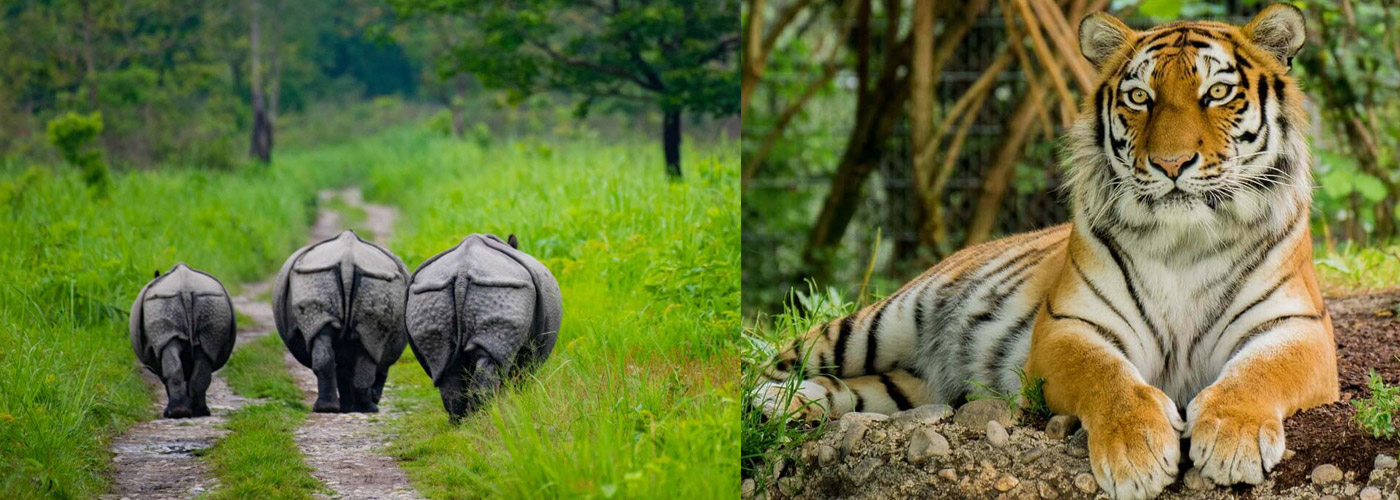
Manas Wildlife Sanctuary is a UNESCO World Heritage Site located in the state of Assam, India. It is one of the most significant wildlife reserves in the region and is known for its rich biodiversity. The sanctuary is spread across an area of approximately 950 square kilometers and is contiguous with the Royal Manas National Park in Bhutan.
Manas Wildlife Sanctuary is home to a variety of wildlife, including endangered species such as the Bengal tiger, Indian rhinoceros, Indian elephant, and pygmy hog. It also houses a diverse range of bird species, making it a popular destination for birdwatchers.
The sanctuary is situated at the foothills of the Eastern Himalayas and is characterized by lush forests, grasslands, and riverine habitats. The Manas River, which flows through the sanctuary, adds to its natural beauty and ecological significance.
In addition to its ecological importance, Manas Wildlife Sanctuary also holds cultural significance as it is inhabited by indigenous communities such as the Bodo people. Efforts are made to involve local communities in the conservation and management of the sanctuary while also promoting sustainable livelihoods.
However, the sanctuary has faced challenges such as poaching, habitat destruction, and encroachment, which have threatened its biodiversity. Conservation efforts, including the implementation of anti-poaching measures and community-based conservation programs, are ongoing to protect the sanctuary and its wildlife.