

Sundarbans National Park, located in the delta region of the Ganges, Brahmaputra, and Meghna rivers in India and Bangladesh, is a UNESCO World Heritage Site renowned for its unique mangrove ecosystem. Encompassing an area of about 10,000 square kilometers, it is the largest tidal halophytic mangrove forest in the world.
The Sundarbans is home to a rich diversity of flora and fauna, adapted to the challenging conditions of brackish water and tidal inundation. The dominant mangrove species include Sundri (Heritiera fomes), Gewa (Excoecaria agallocha), Goran (Ceriops decandra), and Keora (Sonneratia apetala), forming an intricate network of roots and branches that provide habitats for various species.
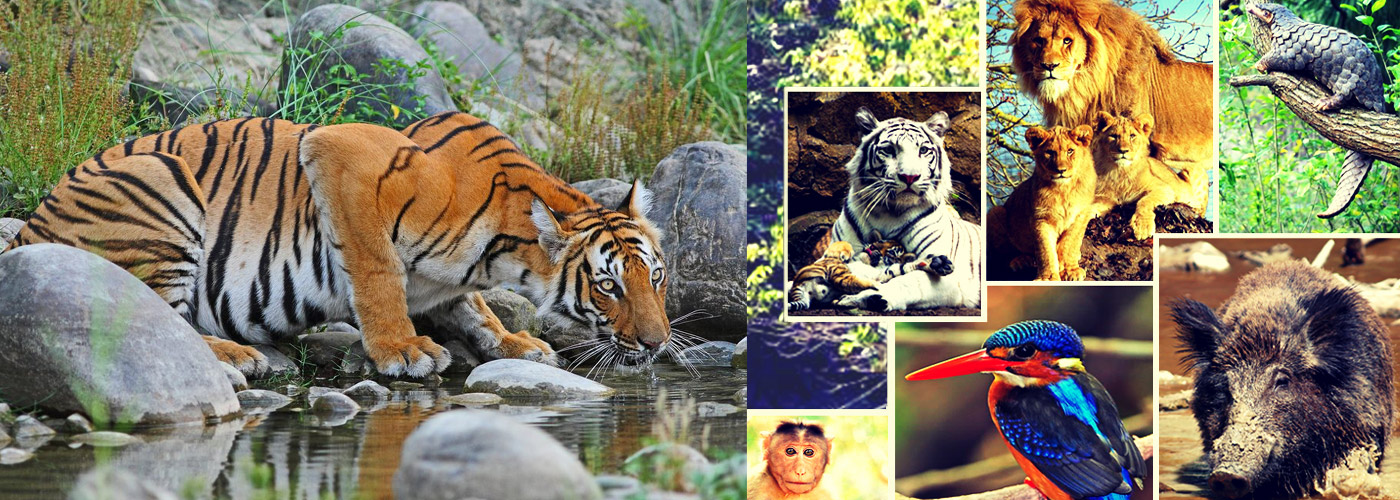
This UNESCO site is most famous for its population of Bengal tigers (Panthera tigris tigris), known as the Sundarbans tiger. These tigers have adapted to swimming in the saline waters and are skilled hunters of aquatic prey such as fish, crabs, and even larger animals like deer and wild boar. Other notable inhabitants include saltwater crocodiles, Gangetic dolphins, Indian otters, and numerous bird species including herons, egrets, and kingfishers.
The Sundarbans also plays a crucial role in mitigating the impacts of cyclones and storms, acting as a natural barrier that protects the inland areas from the ravages of the sea.
However, the Sundarbans faces numerous threats, including habitat loss, pollution, overfishing, and climate change, which pose significant challenges to its long-term survival. Conservation efforts are underway in both India and Bangladesh to protect this invaluable ecosystem and the species that call it home, emphasizing the importance of sustainable management and community involvement in safeguarding the Sundarbans for future generations.