

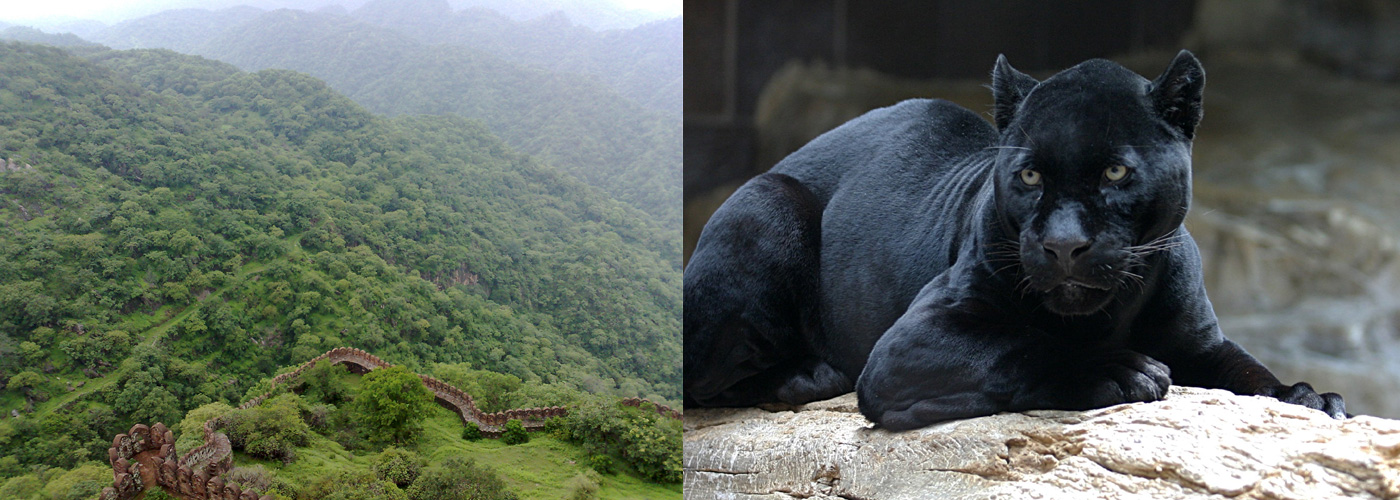
The Kumbhalgarh Wildlife Sanctuary, located in the Rajsamand district of Rajasthan, India, is a haven for biodiversity and natural beauty. Spanning over an area of approximately 578 square kilometers, this sanctuary is renowned for its diverse flora and fauna, breathtaking landscapes, and historical significance.
The sanctuary surrounds the majestic Kumbhalgarh Fort, a UNESCO World Heritage Site known for its extensive wall, often referred to as the “Great Wall of India” due to its second-longest continuous wall after the Great Wall of China. The fort and the sanctuary together form a unique blend of history, culture, and natural splendor, attracting tourists and wildlife enthusiasts alike.
The sanctuary’s landscape comprises rugged terrain, lush forests, hills, valleys, and water bodies, creating a diverse habitat that supports a wide range of wildlife. The Aravalli Range, the oldest mountain range in India, forms the backdrop of this sanctuary and adds to its scenic beauty.
In terms of flora, the sanctuary boasts a rich variety of vegetation, including dry deciduous forests, tropical forests, and thorn scrub. Trees like dhok, salar, khair, tendu, ber, and bamboo dominate the landscape, providing shelter and food for the diverse wildlife inhabiting the region.
Kumbhalgarh Wildlife Sanctuary is home to a diverse array of wildlife species, making it a paradise for nature enthusiasts and wildlife lovers. The sanctuary is known for its population of leopards, making it one of the prime places in Rajasthan to spot these elusive big cats. Additionally, other carnivores such as jungle cats, hyenas, sloth bears, and Indian wolves also roam these forests.
The sanctuary supports a variety of herbivores including sambar deer, chital (spotted deer), nilgai (blue bull), wild boar, and four-horned antelopes among others. Reptiles like snakes, lizards, and a variety of birds including peafowl, parakeets, golden orioles, and many migratory bird species can also be found here, especially during the winter months.
Visitors to the sanctuary can explore the area through guided safaris, nature walks, and trekking trails that offer breathtaking views of the surrounding landscapes. The sanctuary provides a serene and tranquil environment for experiencing the beauty of nature and observing wildlife in their natural habitats.
Preservation and conservation efforts are ongoing to protect the sanctuary’s biodiversity and natural ecosystems. The Rajasthan Forest Department and various conservation organizations work tirelessly to safeguard the flora and fauna within the sanctuary, ensuring its continued ecological balance and maintaining its status as a prominent wildlife reserve in Rajasthan.